Alixa: The Modern Slab Serif Font That Elevates Your Design Projects
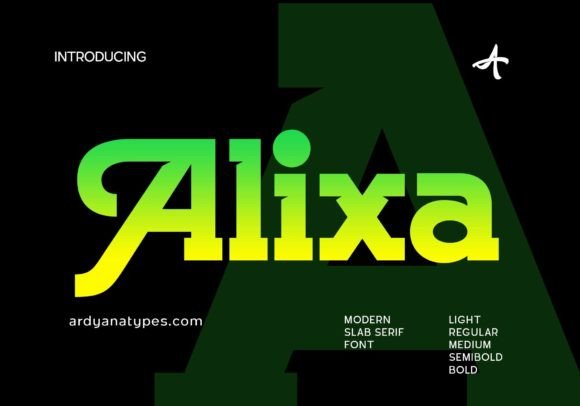
In the world of typography, fonts play a pivotal role in shaping how a brand or message is perceived. One such font that has been gaining traction among designers and businesses alike is Alixa. As a slab serif font, Alixa brings a stylish edge to any project with its bold lines and sharp angles. Whether you're designing a logo, crafting headlines for a website, or enhancing print materials, Alixa offers a contemporary vibe that aligns perfectly with modern aesthetics.
The Rise of Slab Serif Fonts in Contemporary Design
Slab serif fonts have experienced a resurgence in recent years, especially within industries that prioritize both readability and visual impact. These fonts are characterized by their thick, block-like serifs and strong, stable letterforms. Unlike traditional serif fonts, slab serifs like Alixa offer a more assertive presence, making them ideal for branding and marketing collateral where attention-grabbing is key.
This trend reflects broader shifts in design preferences across various sectors. From fashion to technology, professionals are leaning towards typographic choices that convey confidence and clarity without sacrificing elegance. Alixa fits seamlessly into this movement, offering a balance between modernity and legibility.
Why Alixa Stands Out
Alixa distinguishes itself through its clean yet powerful structure. Each character is meticulously crafted to maintain a consistent weight and rhythm, ensuring it performs well at different sizes and on various platforms. This adaptability makes it an excellent choice for digital and print media alike.
- Bold Visual Statement: The thickness of Alixa's strokes allows it to stand out even in minimalist designs.
- High Readability: Despite its stylistic flair, Alixa remains highly readable, which is essential for user experience (UX) in web and mobile interfaces.
- Versatile Application: It works effectively in logos, packaging, editorial layouts, and advertising — proving its worth beyond just headlines.
Alixa in the Context of Industry Trends
As the creative industry evolves, so do the tools and resources used by professionals. With the rise of remote work and digital-first branding strategies, the demand for fonts that perform well online and offline has never been higher. Alixa meets these demands by providing a professional look that’s easy to integrate into diverse workflows.
Entrepreneurs and marketers, in particular, are turning to Alixa because it helps create a visually compelling brand identity. In a crowded market, standing out is crucial. A strong, memorable font can differentiate a brand from competitors and leave a lasting impression on consumers.
How Alixa Fits Into Creative Workflows
Modern design software and platforms often require fonts that are scalable, responsive, and compatible with high-resolution outputs. Alixa has been engineered to meet these standards, supporting a wide range of applications including Adobe Creative Suite, Figma, Sketch, and CSS-based web projects. Its compatibility ensures that designers can use it without worrying about technical limitations.
Moreover, Alixa supports multiple languages and includes a comprehensive set of glyphs, making it suitable for international brands and multilingual content creators. This feature alone positions it as a forward-thinking option for freelancers and agencies working in global markets.
What Makes People Pay Attention to Alixa?
Typography is no longer just about legibility; it’s about storytelling and emotional resonance. Alixa appeals to designers who want to communicate authority, innovation, and style all at once. Its geometric precision and boldness make it a favorite for startups, tech companies, and lifestyle brands aiming to project a modern image.
Additionally, the growing emphasis on accessibility in design has led to a preference for fonts that are clear and structured. While many modern sans-serif fonts dominate the web, there’s a niche appreciation for serif fonts that combine form with function. Alixa bridges this gap, delivering a serif font that doesn’t compromise on clarity.
Alixa and the Changing Needs of Designers
Designers today are expected to deliver visually striking work while adhering to strict timelines and budget constraints. Fonts like Alixa streamline this process by offering a versatile solution that works across multiple design contexts. Instead of juggling several typefaces to achieve the right look, creators can rely on Alixa to maintain consistency while still capturing attention.
For instance, a marketer designing a product launch might use Alixa for both the headline and body text, adjusting weights to ensure hierarchy and visual interest. Similarly, a freelancer creating social media assets could leverage Alixa to build a cohesive theme across platforms, reinforcing brand recognition and professionalism.
Practical Applications of Alixa
To understand why Alixa is becoming a go-to choice, let’s explore some real-world examples of its application:
- Logo Design: Alixa’s bold nature makes it an excellent candidate for logo creation. Its clean lines and strong contrast help logos remain legible and impactful, even when scaled down or printed in black and white.
- Website Headlines: On digital platforms, Alixa adds a touch of sophistication to website headers and call-to-action buttons. Its modern feel resonates with audiences seeking innovative and trustworthy brands.
- Packaging and Print Materials: The font’s ability to hold up under pressure — both literally and figuratively — means it’s perfect for labels, brochures, and posters. It adds depth and personality to physical products, encouraging engagement and purchase decisions.
- Editorial Design: Magazines and blogs focused on lifestyle, business, or technology often use Alixa to highlight key sections or pull quotes. Its unique character enhances the reading experience without overwhelming the content.
Observations on User Preferences
Consumer behavior is increasingly influenced by visual cues. Studies show that people form opinions about brands within seconds of seeing their logos or websites. Typography plays a significant role in this initial perception. Alixa, with its confident and fashionable appearance, helps brands make a strong first impression.
There’s also a growing trend toward brand authenticity. Consumers want to connect with brands that reflect their values and tastes. Alixa enables businesses to express a modern, bold identity that resonates with today’s audience. Whether it’s a fintech startup or a luxury skincare line, the right font can enhance credibility and appeal.
Alixa and Technological Advancements
With the advancement of web technologies, fonts must be optimized for performance. Alixa is built with variable font support, allowing for smooth transitions between weights and styles without loading multiple files. This not only improves page load speed but also gives developers more control over typographic expression.
Its integration with popular web frameworks and design tools further reduces friction in the workflow. Developers can easily implement Alixa using standard CSS syntax, while graphic designers benefit from intuitive controls in font editors. This seamless usability contributes to its popularity among both creatives and technologists.
Supporting Responsive and Adaptive Design
Responsive design is now a baseline expectation for websites and apps. Alixa adapts well to varying screen sizes and resolutions, maintaining its aesthetic integrity across devices. This makes it particularly valuable for businesses that operate in digital spaces, ensuring their brand messaging stays consistent regardless of where it appears.
Furthermore, the font is designed with accessibility features in mind. Proper spacing, uniform stroke widths, and distinct character shapes reduce cognitive load, making it easier for users with visual impairments to read and engage with the content.
Connecting Alixa to Larger Developments
Alixa isn't just another font; it represents a shift in how we approach typography in the digital age. As brands move away from generic, overused typefaces, they’re seeking unique fonts that reflect their individuality. This trend mirrors the larger push toward personalization and differentiation in marketing and design.
At the same time, there’s a renewed interest in typographic craftsmanship. Designers are looking for fonts that tell a story, have a clear purpose, and add value to their projects. Alixa, with its intentional design and broad utility, fits neatly into this narrative.
A Font for the Future
Looking ahead, the role of typography in UX and branding will only become more pronounced. As AI-generated content and automated design tools proliferate, having a reliable, expressive font like Alixa becomes even more important. It allows for human oversight and creative input in an era where efficiency and automation are paramount.
Alixa also supports evolving trends in motion typography and animated design. Its structured forms make it a natural fit for kinetic typography in video content or interactive web elements, helping brands stay ahead of the curve in multimedia communication.
Final Thoughts on Alixa
In summary, Alixa is more than just a stylish slab serif font. It’s a strategic asset for professionals across disciplines who want to elevate their visual output. Its relevance stems from the changing needs of designers, the increasing importance of typography in digital experiences, and the desire for fonts that balance beauty with functionality.
Whether you're launching a new brand, redesigning a website, or preparing a presentation, Alixa provides the versatility and visual punch needed to stand out in today’s competitive landscape. By embracing this font, you’re not just choosing a tool — you’re aligning your work with the latest developments in design and communication.