Fox Cider: A Playful Slab Serif Font for Bold Designs
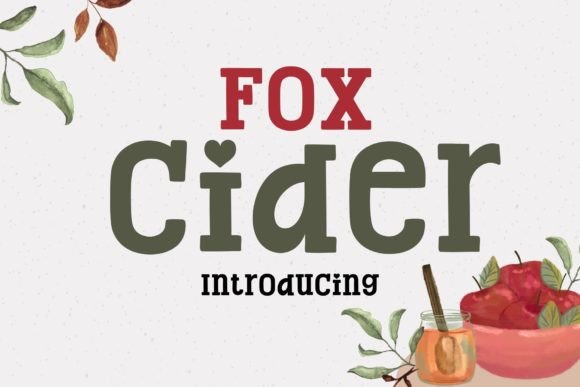
Fox Cider is a premium font that brings energy, character, and charm to your visual projects. As a display slab serif typeface, it’s designed to stand out rather than fade into the background. Whether you're crafting headlines for a website, designing a t-shirt graphic, or putting together product labels, Fox Cider delivers a bold yet friendly presence that can elevate your brand identity in just a few letters.
What Makes Fox Cider Unique?
Slab serif fonts are known for their strong, block-like serifs that give them a grounded, confident feel. Fox Cider takes this classic structure and adds a playful twist—its curves and spacing invite a sense of fun without compromising readability. The font balances weight and contrast well, making it suitable for both digital and print applications. Its expressive nature gives it a modern edge while still maintaining a nostalgic charm that feels familiar and inviting.
The personality of Fox Cider is best described as lively, approachable, and charismatic. It’s not a font you use for body text, but rather one that shines when used strategically for headings, titles, and accents. The subtle quirks in its letterforms make it memorable, which is why it works so well in branding and creative typography scenarios.
Visual Characteristics You’ll Love
- Bold Slabs: The thick, angular serifs on each character add weight and impact.
- Open Apertures: Letters like “e,” “a,” and “o” have generous spacing, improving legibility at larger sizes.
- Playful Curves: While rooted in tradition, Fox Cider features soft curves that bring a modern, whimsical flair.
- Versatile Weights: With multiple styles included, from light to extra bold, it adapts easily to different design needs.
Where to Use Fox Cider in Your Projects
Fox Cider is incredibly versatile, especially when it comes to creating visual interest in short bursts of text. Here are some real-world applications where it truly excels:
Headlines and Titles
In editorial design or web content, using Fox Cider for headlines can immediately grab attention. It's perfect for blog posts, magazine covers, or landing pages where you want to communicate creativity and confidence. The font doesn’t overwhelm, but it does command space—ideal for setting the tone of your message right from the start.
T-Shirt Typography
If you’re designing custom apparel, Fox Cider is a top choice. Its expressive style and strong presence work well with minimal layouts, letting the typography be the hero of the piece. The font pairs beautifully with simple graphics or even standalone slogans, making it a favorite among small businesses and independent designers in the fashion industry.
Banners and Packaging Design
For packaging or promotional banners, Fox Cider helps create an immediate emotional connection. It adds warmth and vitality to products that need to stand out on shelves or online stores. Think of craft beer labels, boutique skincare packaging, or event posters—Fox Cider can help your designs speak louder and faster.
Social Media Graphics
On platforms like Instagram, Facebook, or Pinterest, first impressions matter. Using Fox Cider in social media graphics allows you to capture attention quickly. It’s especially effective in quotes, infographics, and announcements where you want to blend professionalism with a touch of personality.
How Fox Cider Impacts Brand Perception and Readability
Fonts do more than just convey words—they shape how people perceive your brand. Choosing Fox Cider means embracing a tone that’s energetic, trustworthy, and contemporary. It’s ideal for brands that want to appear both professional and personable, such as lifestyle companies, artisanal products, or startups aiming to build a community-driven image.
While it’s a display font, Fox Cider maintains enough clarity to ensure it remains readable in the right context. For example, using it in large point sizes for logos or headers ensures that it retains its visual appeal without becoming difficult to read. However, avoid using it in long paragraphs or fine print, where its design could hinder comprehension.
Design Tips for Maximum Impact
- Use Sparingly: Apply Fox Cider to key elements only—headings, logos, taglines. This prevents visual clutter and keeps the focus where it matters most.
- Pair Thoughtfully: Combine it with a clean sans serif or a neutral serif for body text to maintain balance. Popular pairings include Montserrat, Lato, or Merriweather.
- Test at Size: Always preview how it looks in your intended project size. Display fonts can lose their charm if used too small or too large.
- Consider Contrast: Make sure the color and background complement the font’s boldness. High-contrast combinations (like white on black) often work best.
Choosing Fox Cider for Your Next Project
Before settling on Fox Cider, evaluate whether it aligns with your project’s goals and audience. Ask yourself: does this font reflect the tone I want to set? Is it going to enhance the overall design or distract from it?
Review the included styles to determine how many variations you might need. If your design requires both bold and lighter weights, Fox Cider has you covered. Also, consider the licensing terms. As a commercial font, it can be used in both personal and business projects, but always check the specific permissions provided by the foundry or distributor.
One thing to keep in mind is that Fox Cider isn’t a universal solution. It’s best suited for contexts where visual impact is essential. For minimalist or high-tech brands, a sleek sans serif might be more appropriate. But for those who want to inject some life into their visuals, Fox Cider is a powerful tool.
Realistic Examples of Fox Cider in Action
Imagine a local coffee shop launching a new seasonal drink line. Their branding uses Fox Cider for the names of each flavor—“Cinnamon Toast,” “Pumpkin Spice,” and “Hazelnut Dream.” The font adds a cozy, handcrafted vibe that matches the brand’s personality and makes the menu visually engaging.
Or picture a boutique clothing brand using Fox Cider in their logo and product tags. The playful yet polished look reinforces their commitment to quality and creativity, helping them stand out in a crowded market.
Why Designers and Marketers Should Care About Font Pairing
Font pairing is an art form that can make or break a design. When choosing a companion font for Fox Cider, aim for contrast in style and texture. A narrow, geometric sans serif or a delicate script can highlight the boldness of Fox Cider and create a dynamic visual hierarchy.
Here are a few practical recommendations for pairing:
- Modern Sans Serif: Works well for a clean, contemporary look.
- Handwritten Script: Adds a personal, artisanal touch when used for accents.
- Classic Serif: Offers a refined balance, great for editorial or luxury branding.
Always test these pairings in real-life scenarios. Tools like Google Fonts’ pairing feature or Adobe Typekit can help you find complementary fonts quickly. Once you’ve settled on a combination, apply it consistently across all design assets—from websites to brochures—to reinforce your brand identity.
Commercial Licensing and Accessibility
When working with any commercial font, including Fox Cider, it’s important to understand the licensing agreement. Most premium fonts require a purchase for extended use, particularly in print or web-based environments. Ensure you’re aware of whether you need desktop licenses, web fonts, or app-specific usage rights depending on your project scope.
Also consider accessibility. While Fox Cider is highly readable at larger sizes, it may not be the best option for users with certain visual impairments. In such cases, reserve it for decorative elements and use a more accessible font for body text. Always provide sufficient color contrast and avoid overusing effects like shadows or outlines that could reduce clarity.
Final Thoughts on Fox Cider
Fox Cider is more than just a font—it’s a design statement. Its vibrant and expressive character makes it a go-to choice for creative professionals looking to add personality to their work. From t-shirt typography to product packaging, it offers the kind of visual punch that can turn heads and spark engagement.
But remember, the best design decisions are made with intention. Don’t choose a font because it looks cool; choose it because it fits your brand, enhances your message, and resonates with your audience. Fox Cider is a strong contender in that conversation, and with the right application, it can become a signature element of your design language.